A place for children to grow, wonder, and belong.
Childhood is a bright and blooming season, full of wonder. Here it has room to grow — good work for busy hands, true friendships, reverence for the living world, and long, happy hours outside under the open sky.
As we journey through each season and each trip around the sun — we make room for story and song, movement and art, handwork and play, and joyful time out of doors with friends.
One bright day each week, three to five hours together.

Once a week, our families gather for a bright, unhurried day together. Its shape follows the sun and the seasons, the weather and the children themselves — and its familiar rhythm gives every child the comfort of knowing what comes next, and the deep joy of belonging.

Opening circle
Seasonal songs, verses, and gentle morning movement
Main lesson
Shaped tenderly for each child’s age and stage
Art or handwork
A Waldorf-inspired handwork activity or artistic rendering
Lunch
A potluck at one table — each family brings their own protein and a dish to share
Outdoor play & forest school
Long, generous time in the open air, and an outdoor group activity for all ages together, whatever the weather
Closing circle
Gathering the day into our hearts before we head home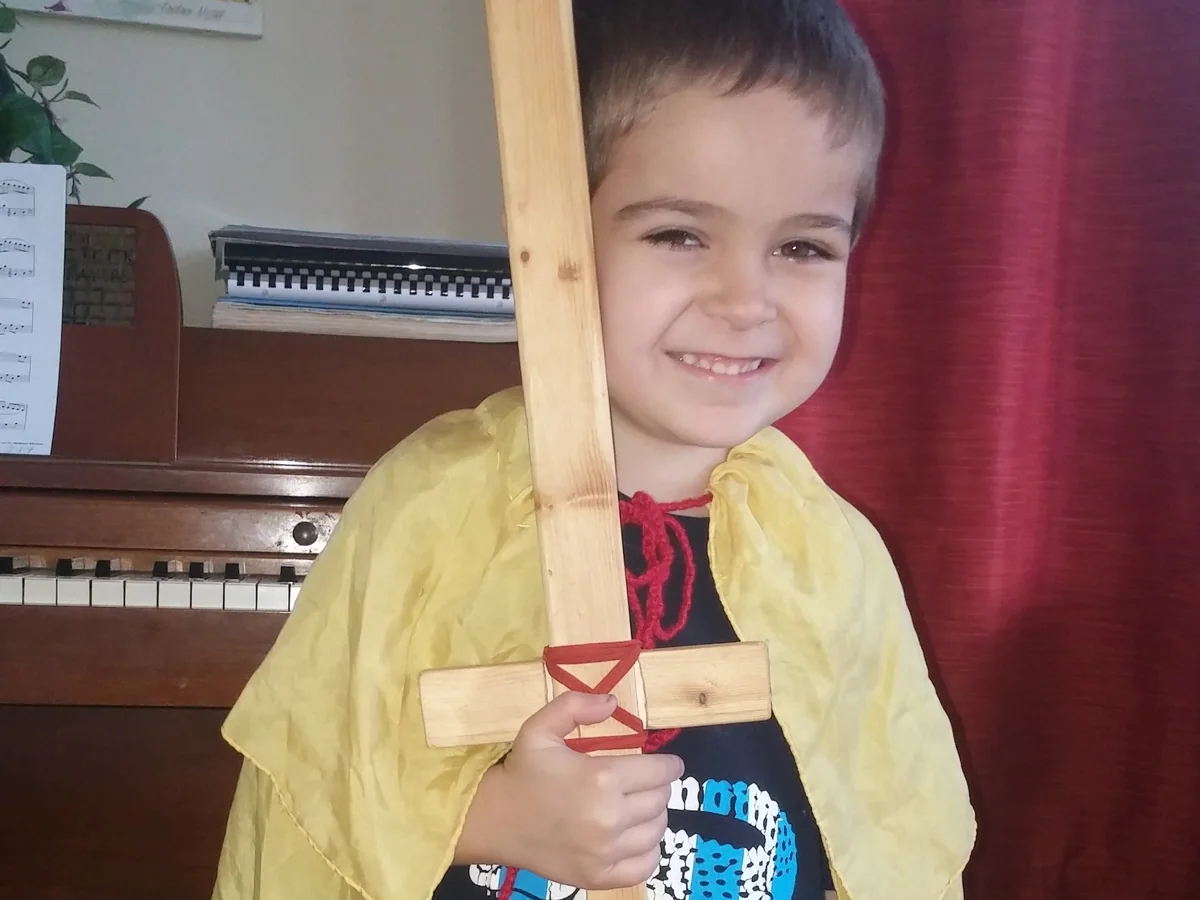
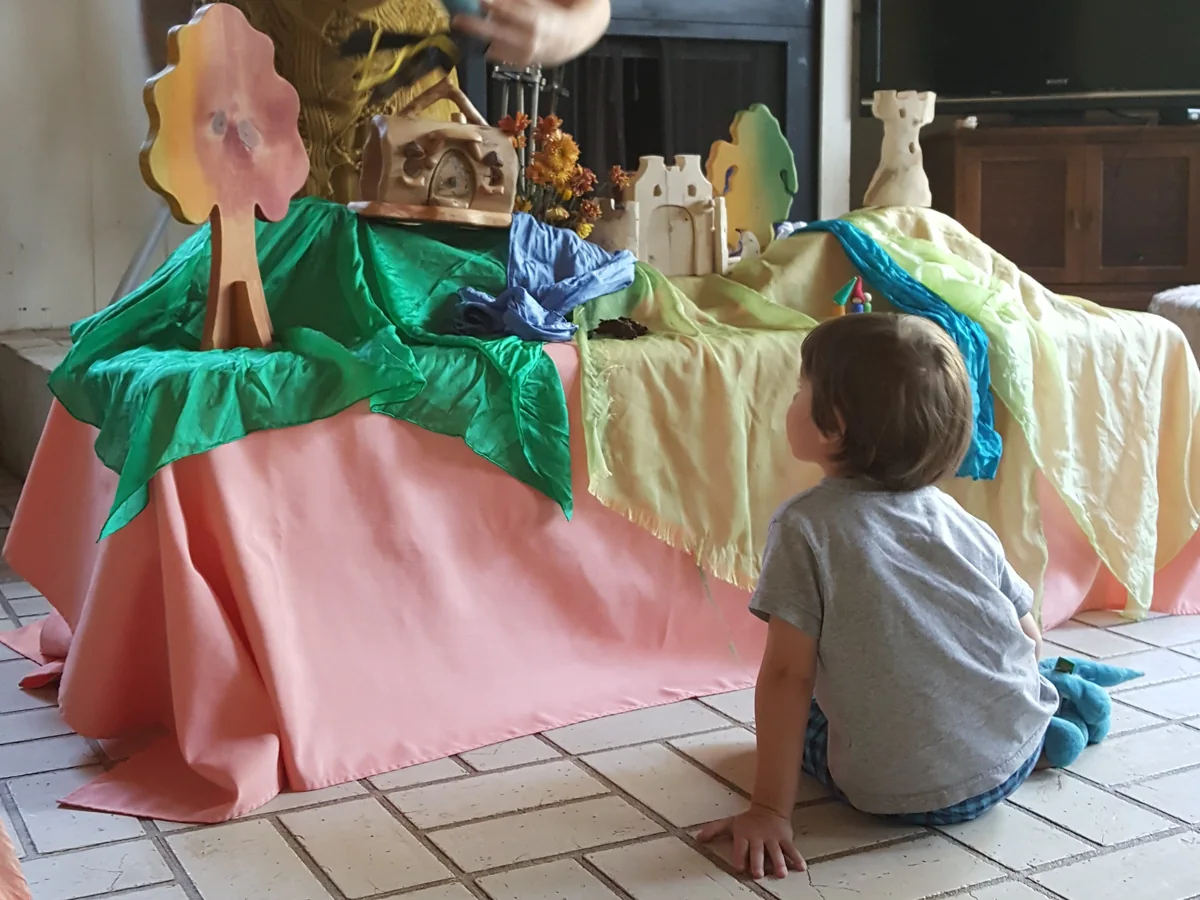
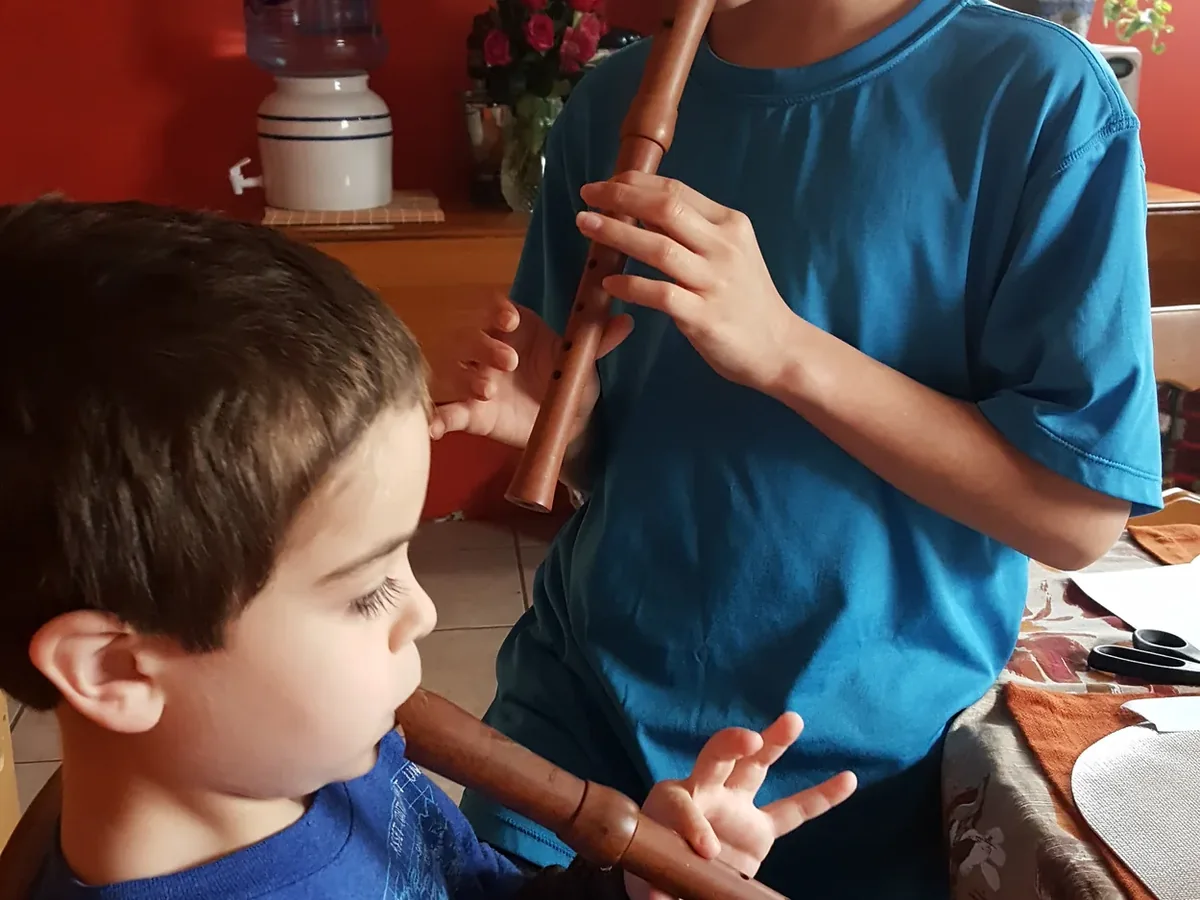
One shared day becomes a gentle anchor in the week.

Children come back to faces they know, friendships deepen, and the things that only bloom in company — a song sung together, a story shared, a task carried side by side — come alive. This keeps all the freedom and closeness of learning at home, plus gaining one dependable, loving place to make and celebrate together.
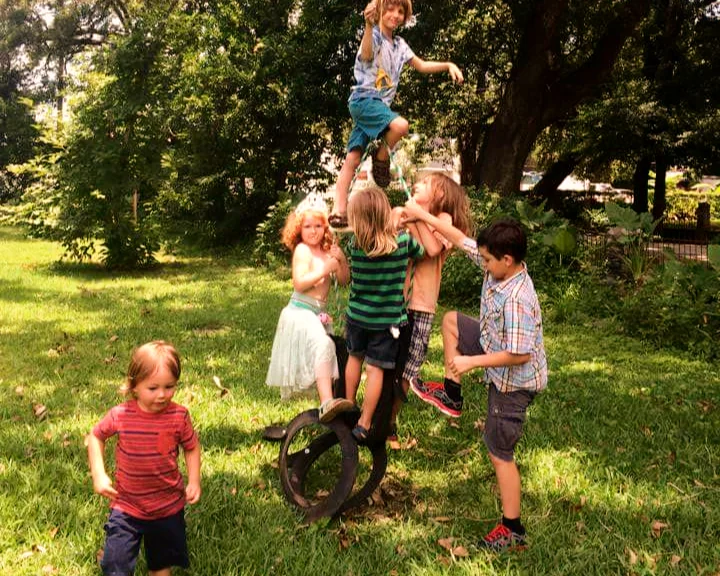

Two joyful groups, one loving community.

As Waldorf-inspired homeschoolers, we shape the cycle of our teaching material around the rhythm of the seasons and the cycle of soul growth as defined by Steiner’s Living Year. We anchor these outward forces that act upon us through real experience — a story opens into somatic, integrating movement verses, followed by artistic renderings and handwork, outdoor activities that connect us to the seasons, and tasks done together with willing hands as we practice intentionally living well with others.
We are beginning this co-op with two age groups so we can develop a strong rhythm that can organically expand over time, as the founding families develop a good working relationship with each other and roles are established that contribute to the long-term success of the co-op.
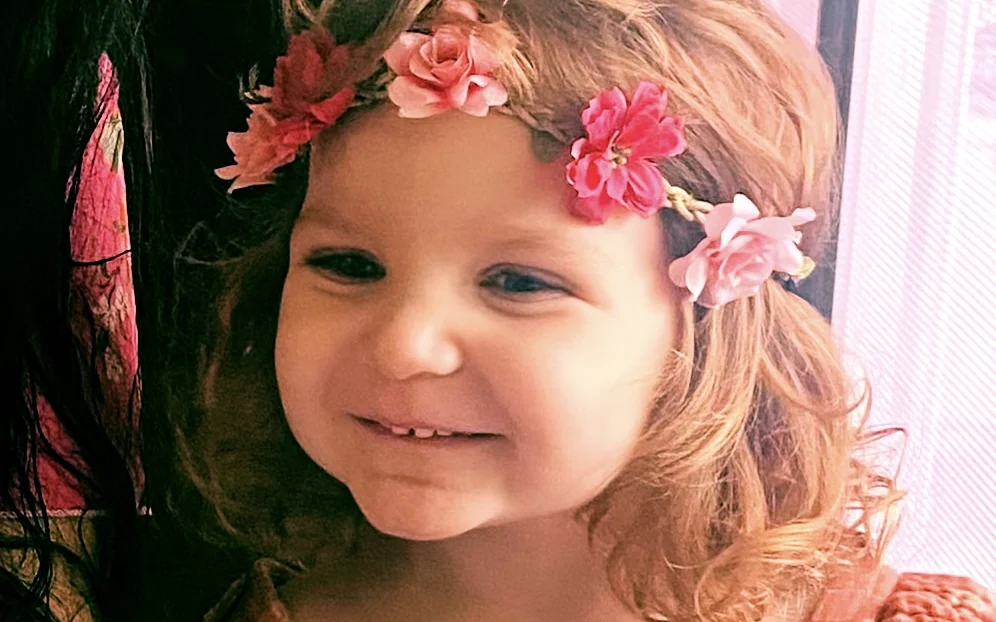
Early Childhood
Learning by watching, doing, and playing
Joyful imitation, a gentle circle, a simple story, real tasks for busy hands, plenty for the senses, and all the play a growing child needs.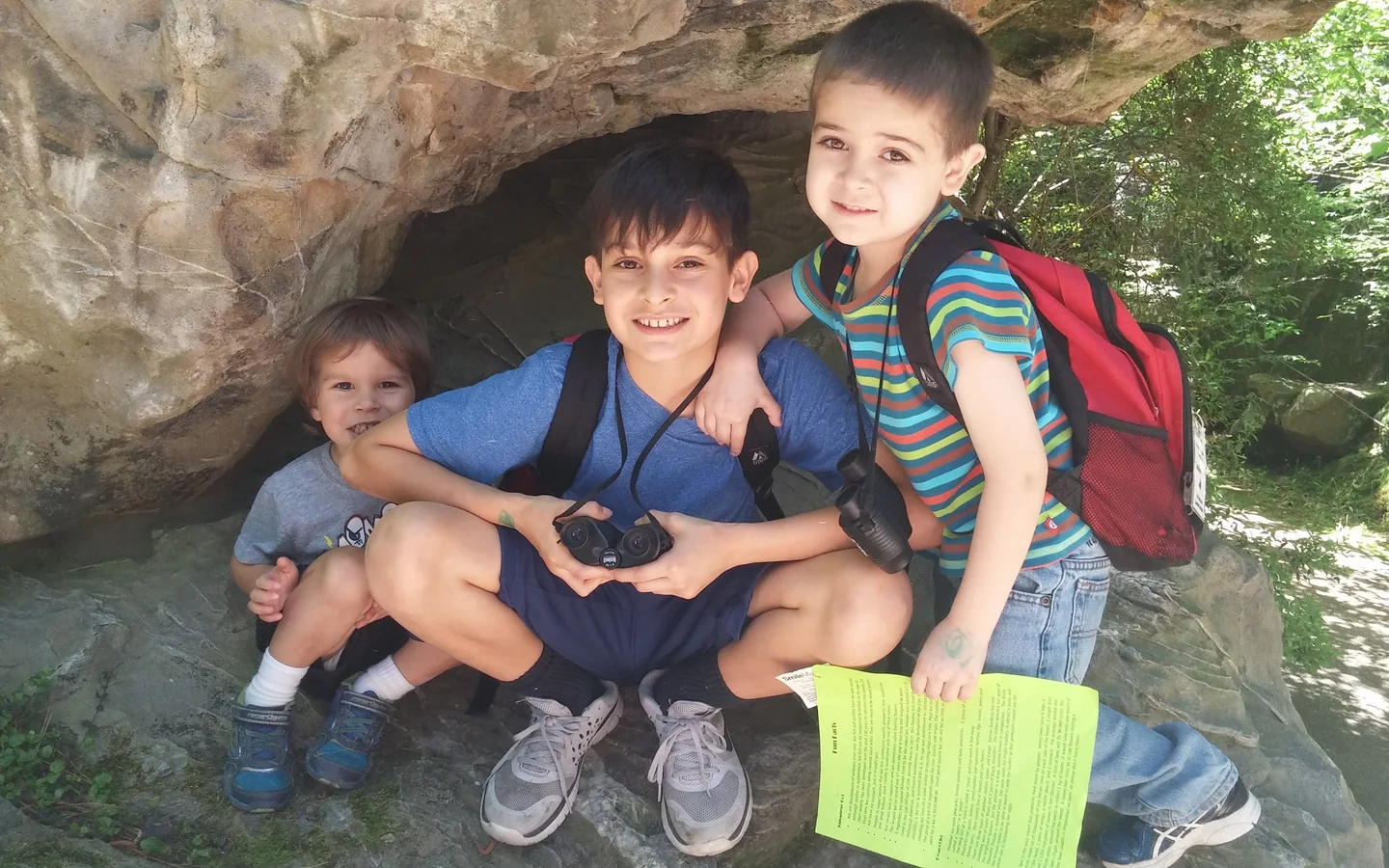
Early Grades
Story, art, and the first happy skills
Living stories, movement, seasonal handwork, painting and drawing, the first gentle strokes of form drawing, and long hours getting to know the natural world.The story, the pace, and the tasks are suited to each age — while the whole group still shares circles, meals, time outdoors, and every festival together. (A group for ages 9–14 will come along in a later season.)
The turning of the year, celebrated together.
Once a month, our weekly gathering will be a festival celebration — two or three hours of songs, stories, food shared from many kitchens, and a seasonal craft made by hand. Getting ready, celebrating, and remembering together weaves a bright and living community around the children, where courage, kindness, wonder, and gratitude are truly lived rather than merely spoken about.

 Michaelmas
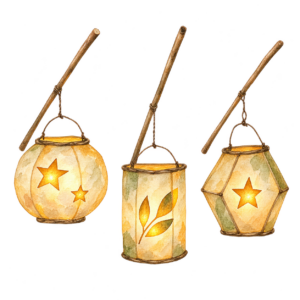 Lantern walk
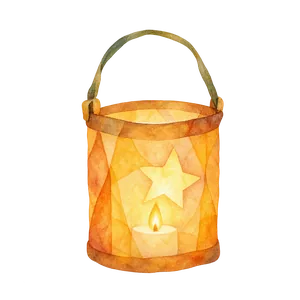 Martinmas
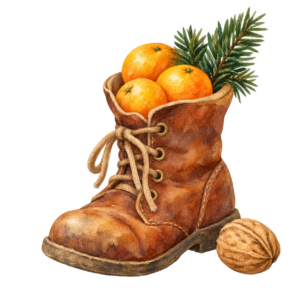 St Nicholas
 Santa Lucia
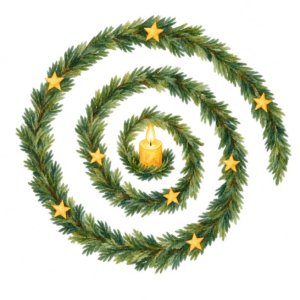 Advent spiral
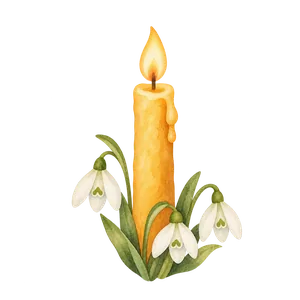 Candlemas
 Spring equinox
 Easter
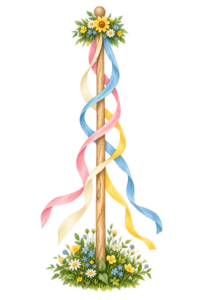 May Day
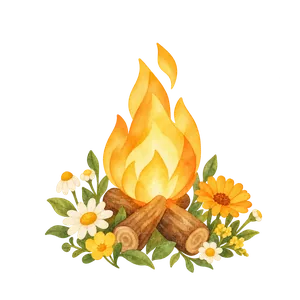 St John’s
The year breathes, and we breathe with it.

Rudolf Steiner, creator of Waldorf education, described the turning year as a kind of breathing in and out. In high summer the earth has breathed out, and we go outward with it — into the light and the heat and the long golden evenings, the whole world calling us outside. As the year turns toward winter that breath is drawn back in, and we come inward too: quieter, more wakeful, gathered close around the table and the flame of a candle. He gave five lectures on this at Dornach in 1923, published as The Cycle of the Year as Breathing-Process of the Earth.
The festivals are where we meet those turnings and mark them together. Michaelmas arrives as the light begins to go, and asks for courage. Martinmas answers the early dark with one small light carried in a child’s own hands, and asks for kindness. Candlemas notices the light returning before anyone else has thought to look. St John’s stands at the very top of the year, with a fire lit as the last of the evening goes.
Children do not academically learn a season. They live it — through the movement of hands and feet and the singing voice, long before they learn what an equinox is. What settles in a young child is never the explanation but the soul gesture: that you can cut a cloak in half and give away the warm part; that you can carry a light through the dark and it need not go out; that a seed put into cold ground in February will come up.
And because the festivals come around each year, they become part of our growth and evolution as individuals. The one who needed a hand to carry the lantern last November walks ahead with it this year. The rhythm holds steady, and the change shows against it.
That is what we mean by a living year — not a calendar of events to attend, but a way of being the whole family comes to know by heart.
Only what we can prepare and carry with love.
- A seasonal calendar created together
- One day together each week, three to five hours long
- One monthly festival to celebrate the season, two to three hours long
- A platform to add lesson and festival material, with the stories, songs, verses, and supply notes for each gathering, so you always know what’s coming
- A warm, private place for our families to share news, RSVP, and stay in touch
- Some or all of the raw materials for our weekly handwork and artistic activity
In time, as our garden grows, there may be handwork gatherings for moms, planned field trips, and more to share — but those are for down the road, not included in the initial calendar.

Around eight to ten families.
Keeping our circle small lets the children truly come to know one another, gives us grown-ups time to grow close, and keeps our weeks warm and steady. We read every single application with care, and we respond to every family who reaches out.

Thinking of joining us? Here is how it begins.
Say hello
Read our family guidelines, then send us your application.Let’s talk
A warm phone or video chat, so we can get to know one another and share what matters most to us.Come visit
Spend a two-week visit with us when there’s room, and see how it feels for your family.Settle in
We’ll be in touch, and if it feels right for us both, you’ll settle in within the week.Will you help me hold the circle?
As we begin, I am looking for one or two co-leaders to plan and organize alongside me, share the admin, and step in as a steady second when I am ill or away. In gratitude, co-leaders pay no dues. If you’re feeling the call, please fill out the application on our Admissions page and tell us more about yourself and that you would like to be considered as a co-leader. Thank you and I look forward to speaking with you!
Our plan, at a glance.
A garden, gathered.

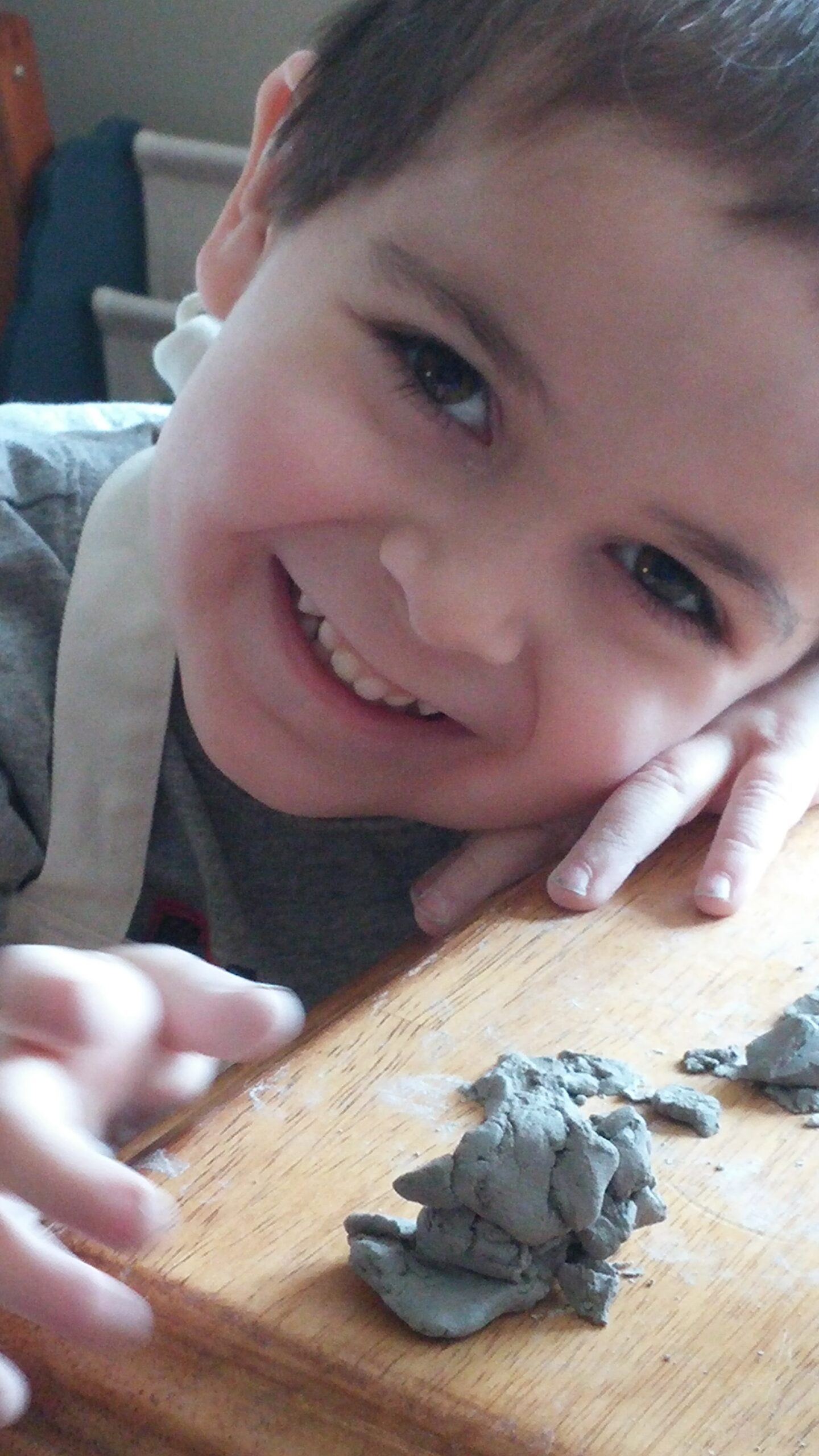 Quiet work with clay
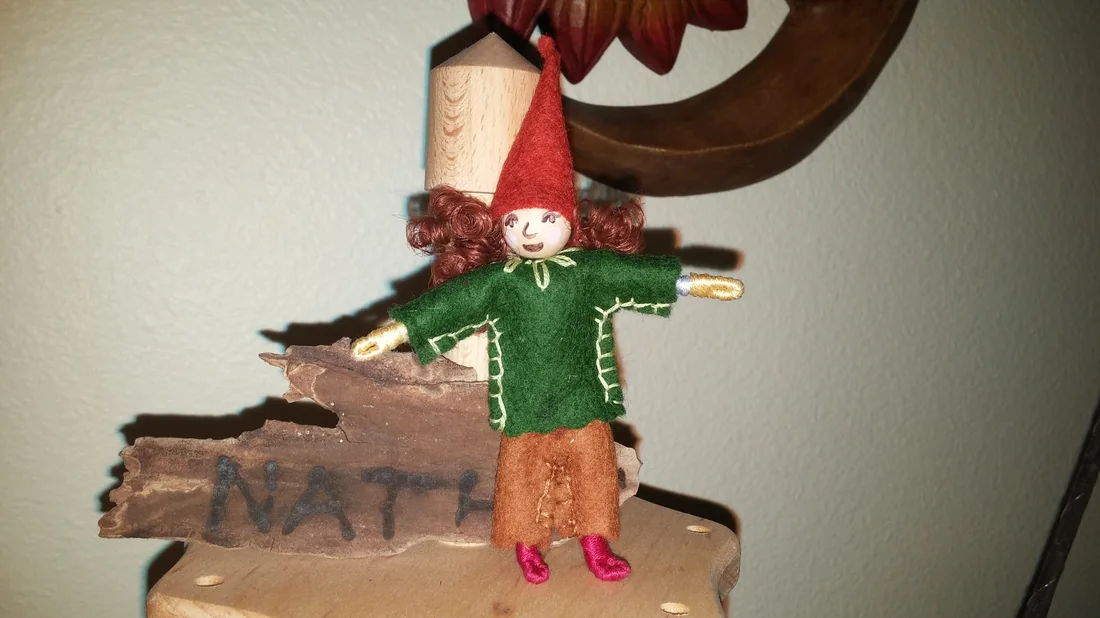 A gnome keeps the shelf
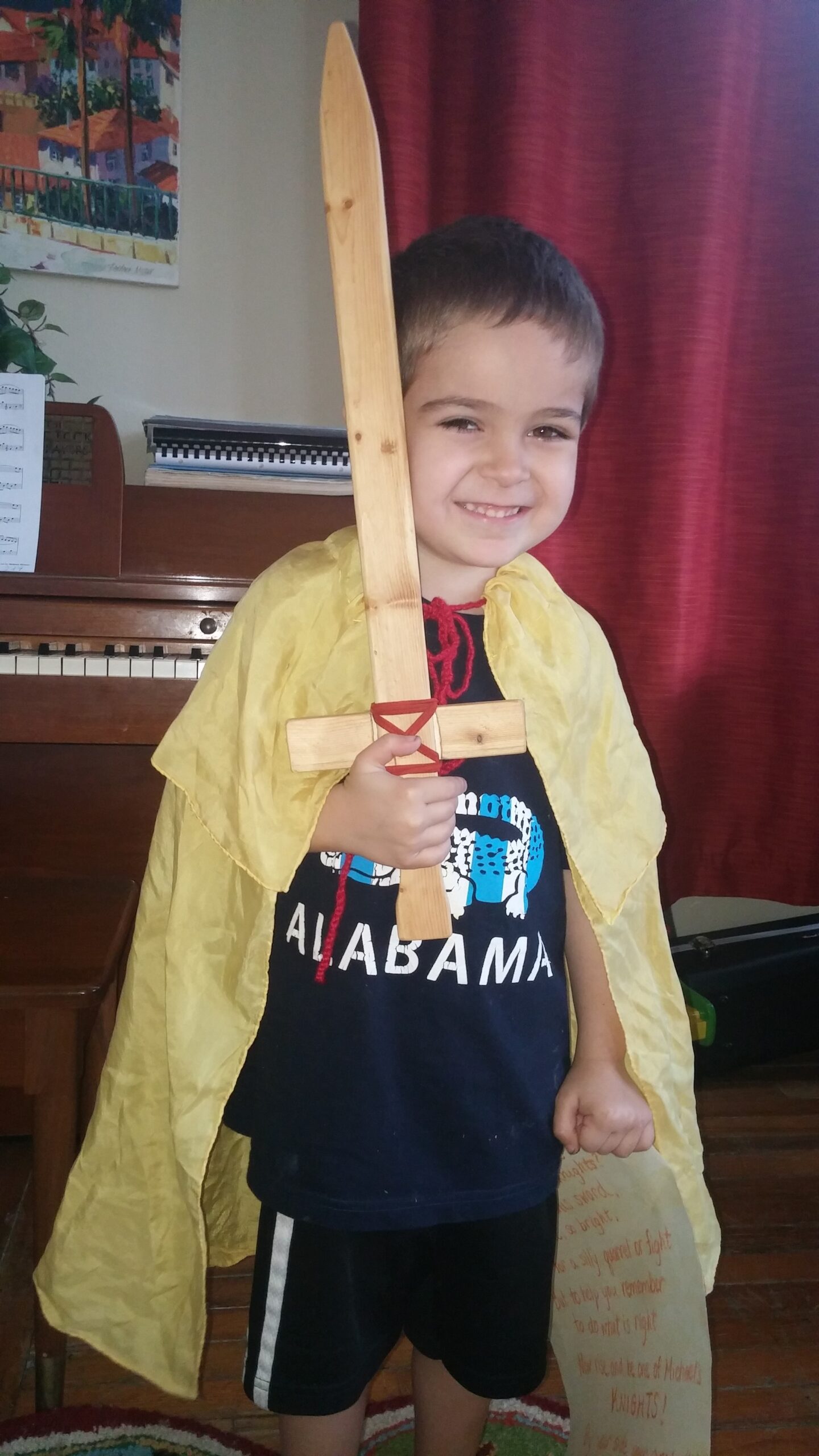 A knight for Michaelmas
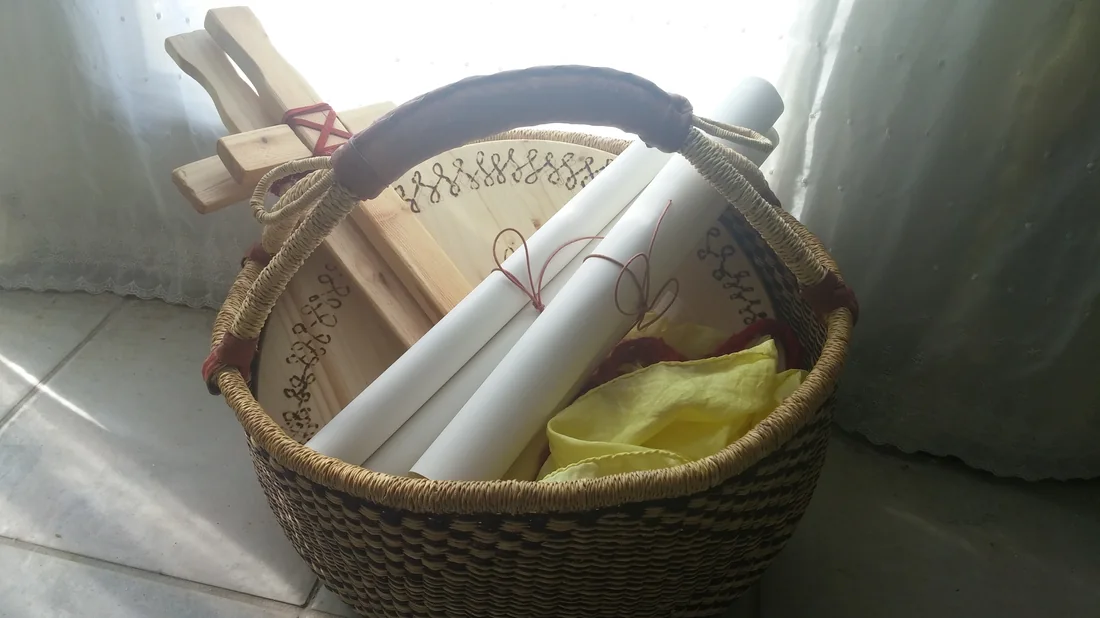 The morning basket
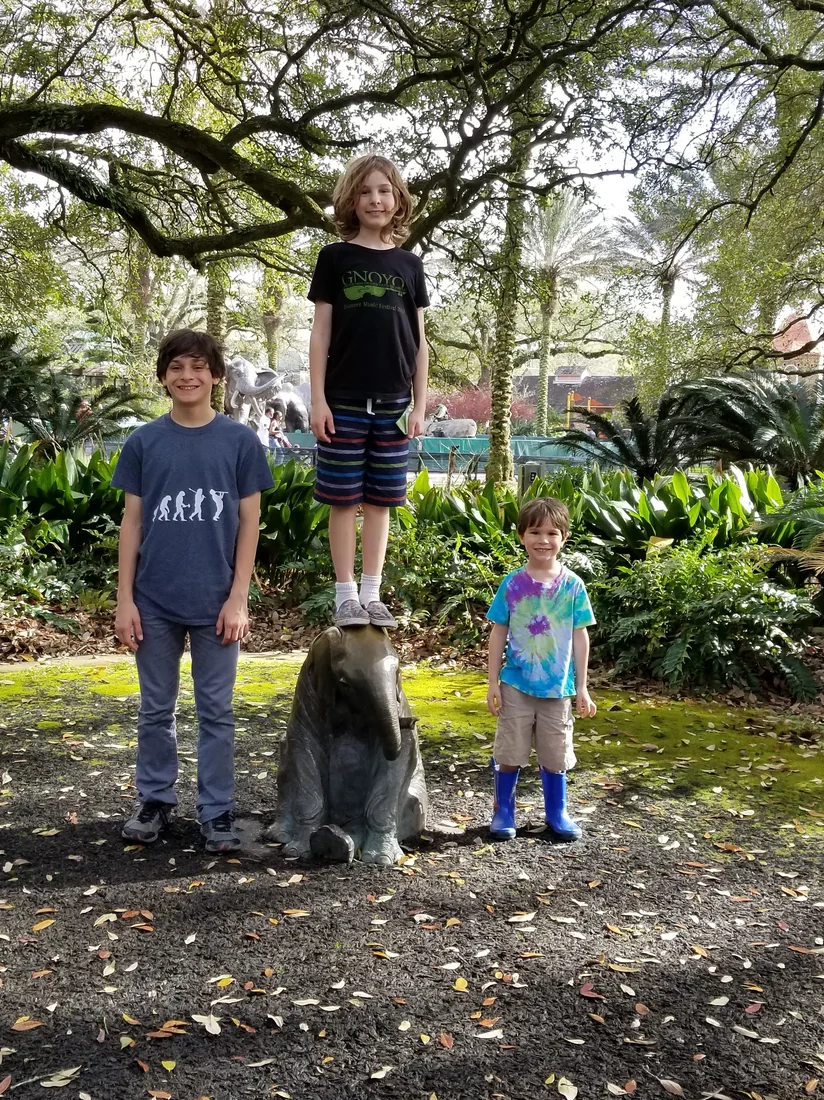 A morning under the oaks
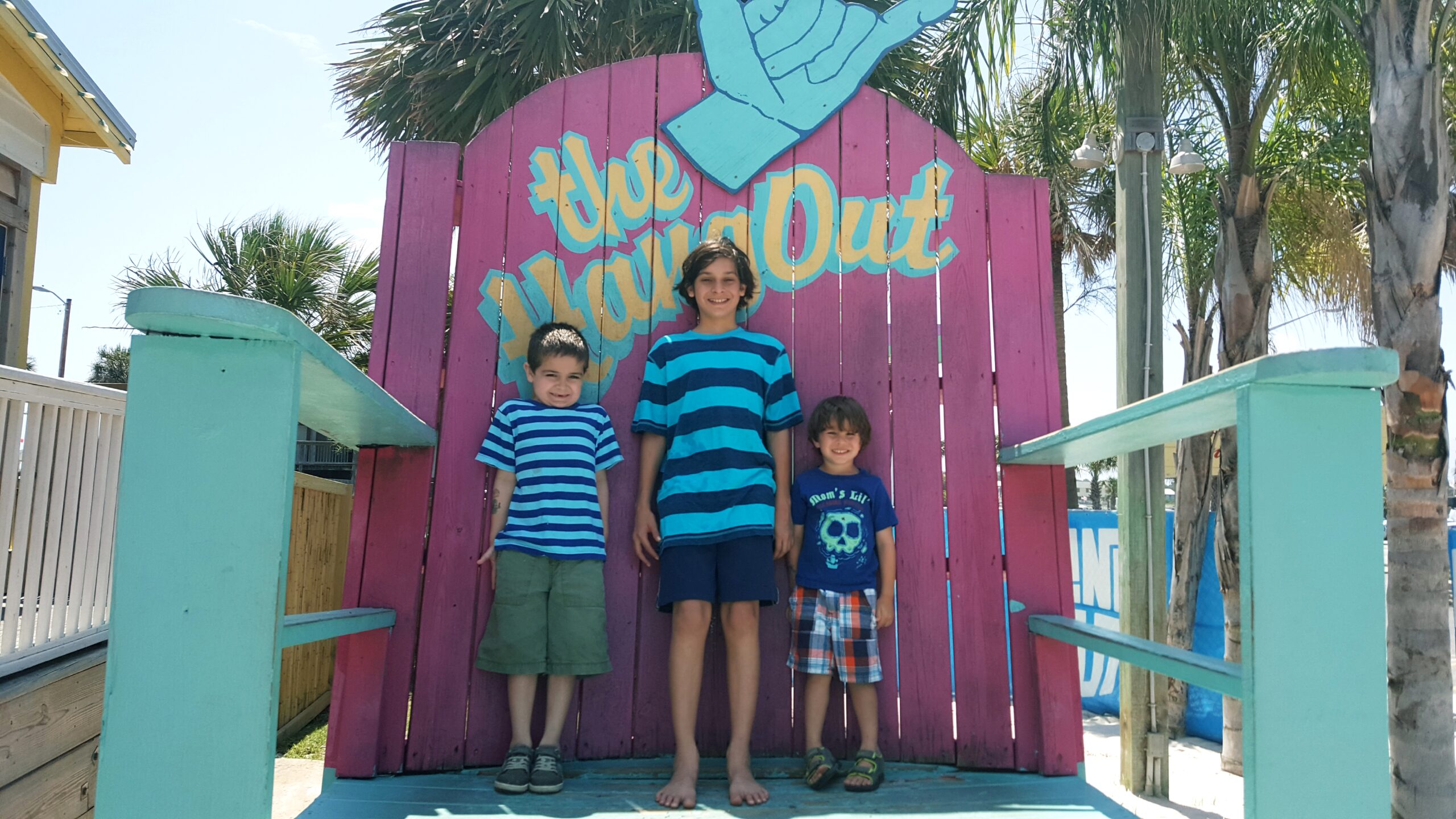 A summer day by the Gulf
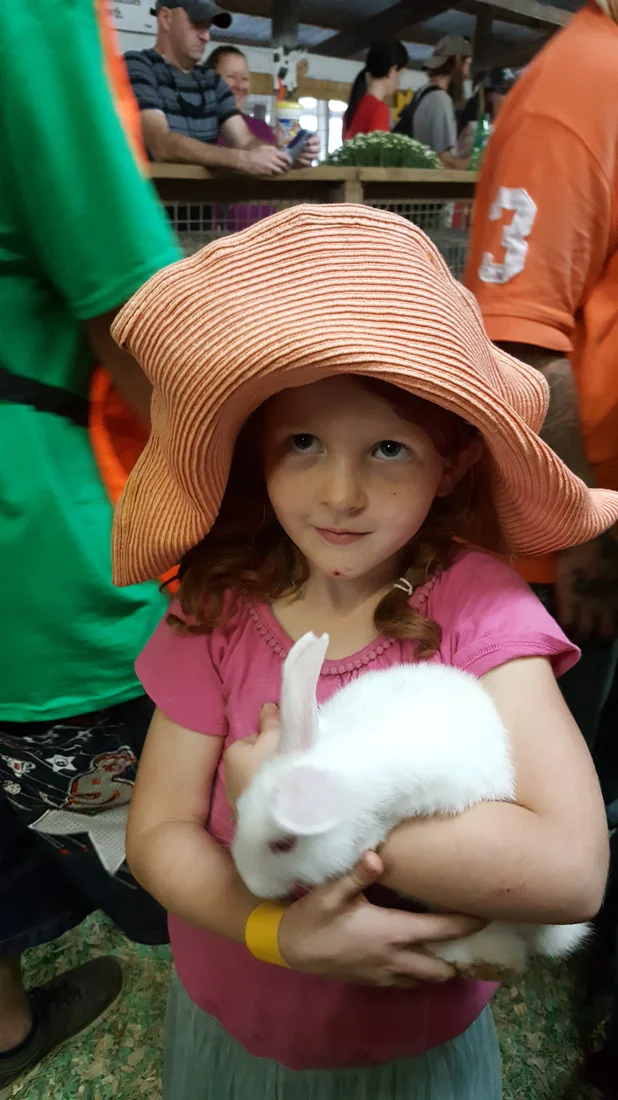 Held gently
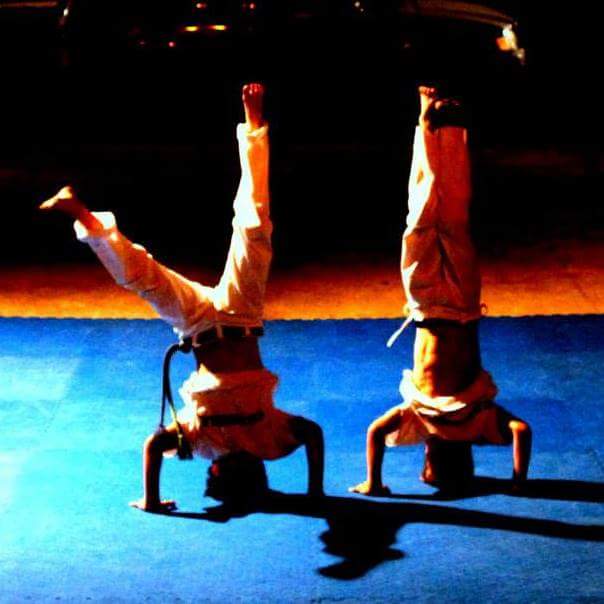 Upside down, side by side
 The fairy house in the oak
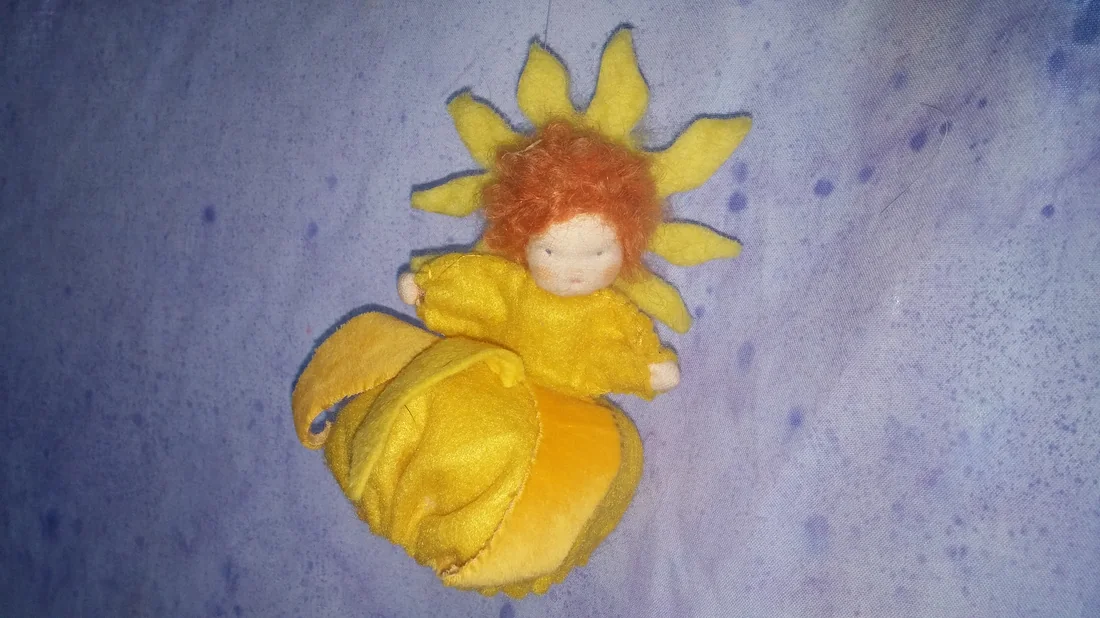 The sunflower child
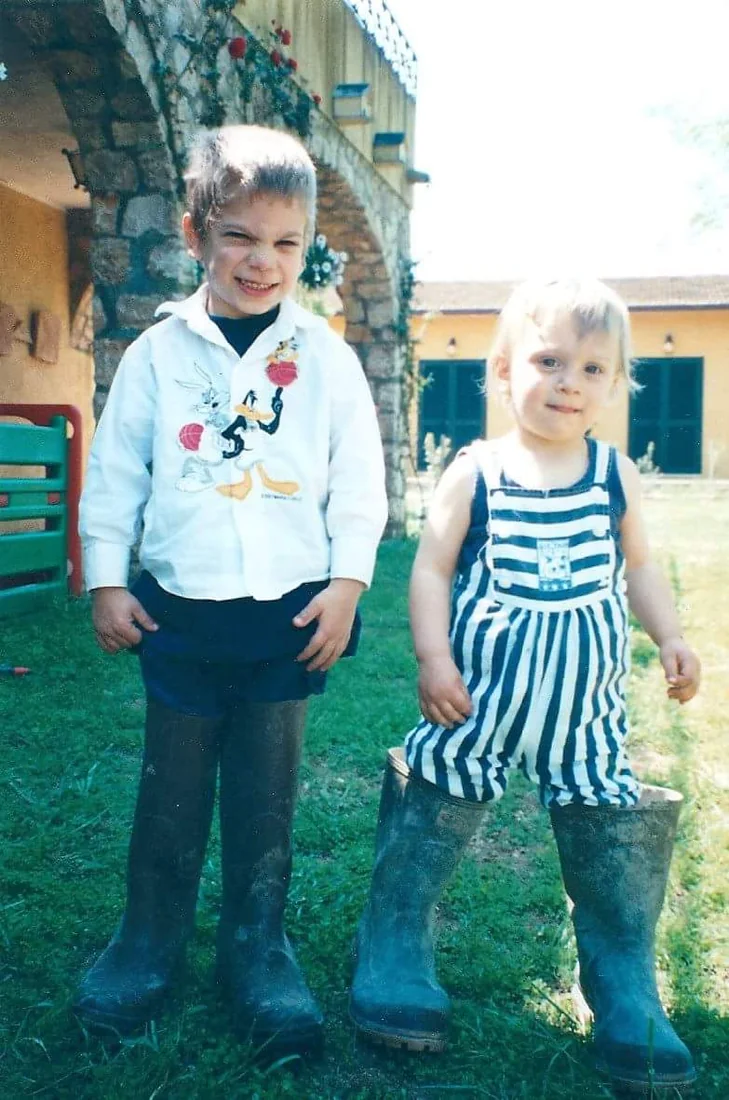 Boots far too big
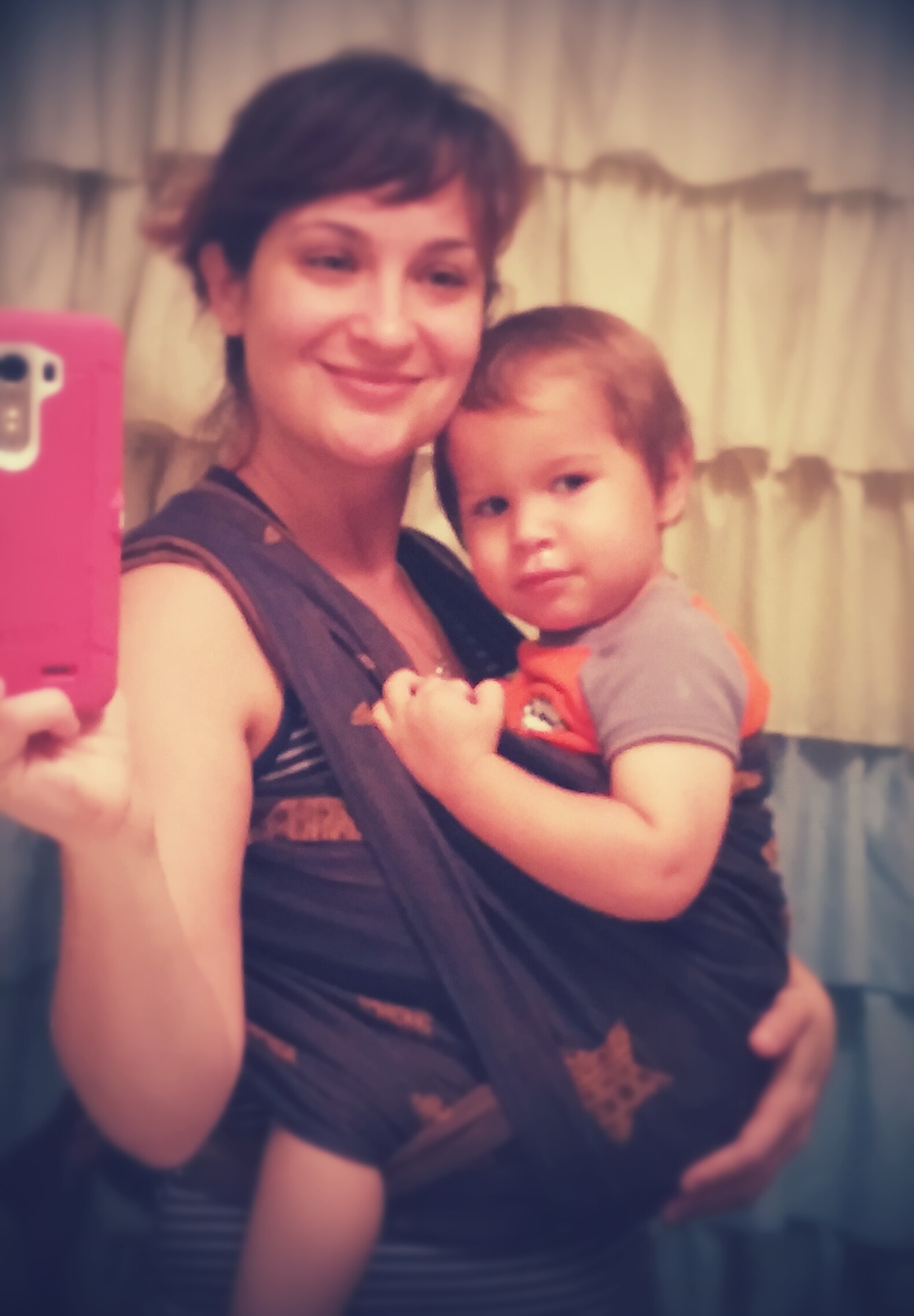 Carried close
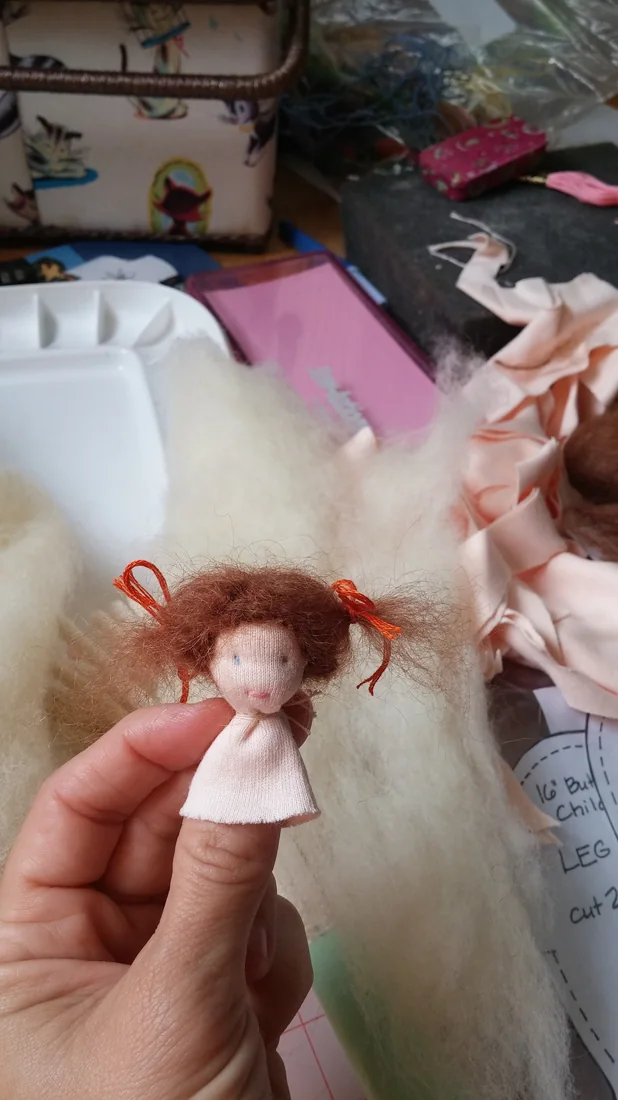 A doll, just begun
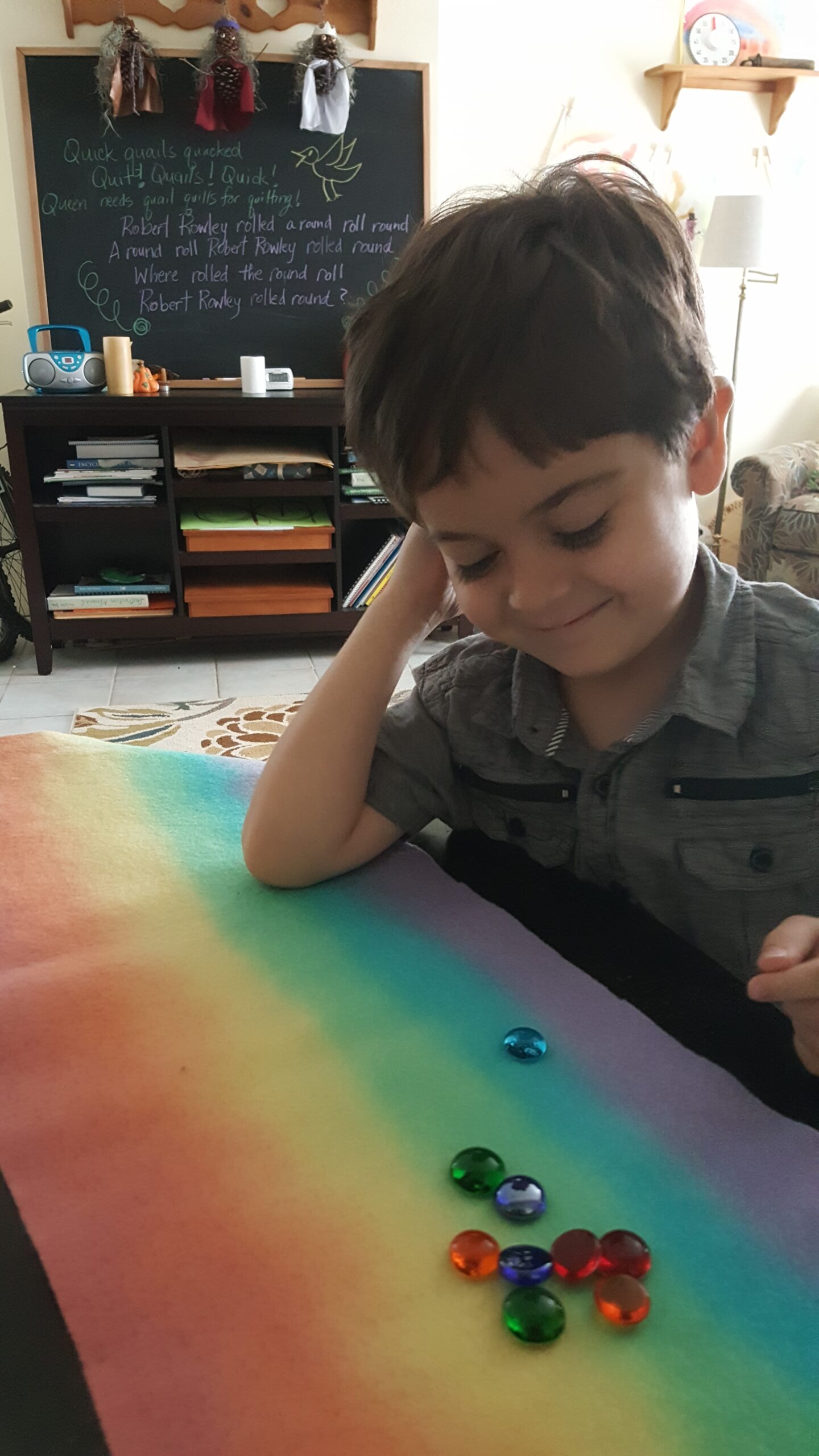 Beside the rainbow silk
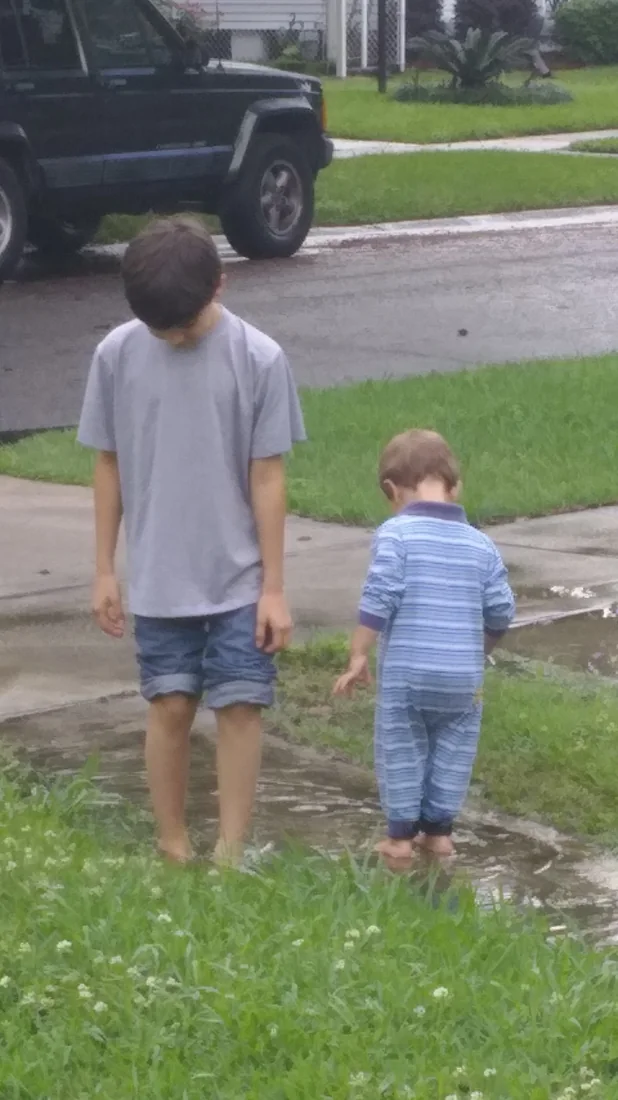 Rain, and nowhere to hurry
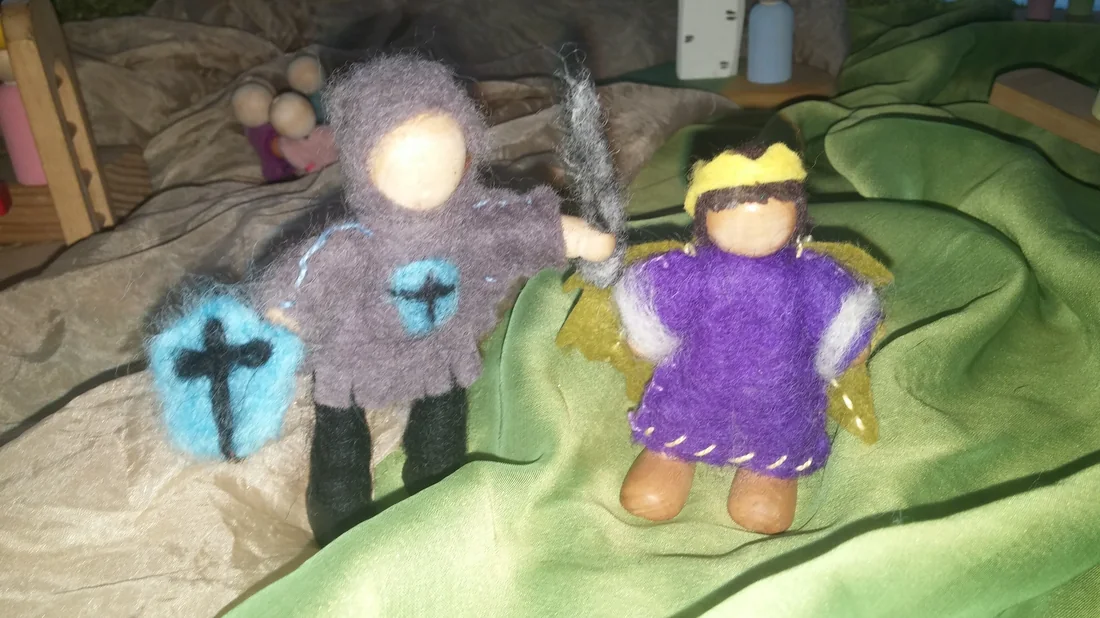 Michaelmas, in wool
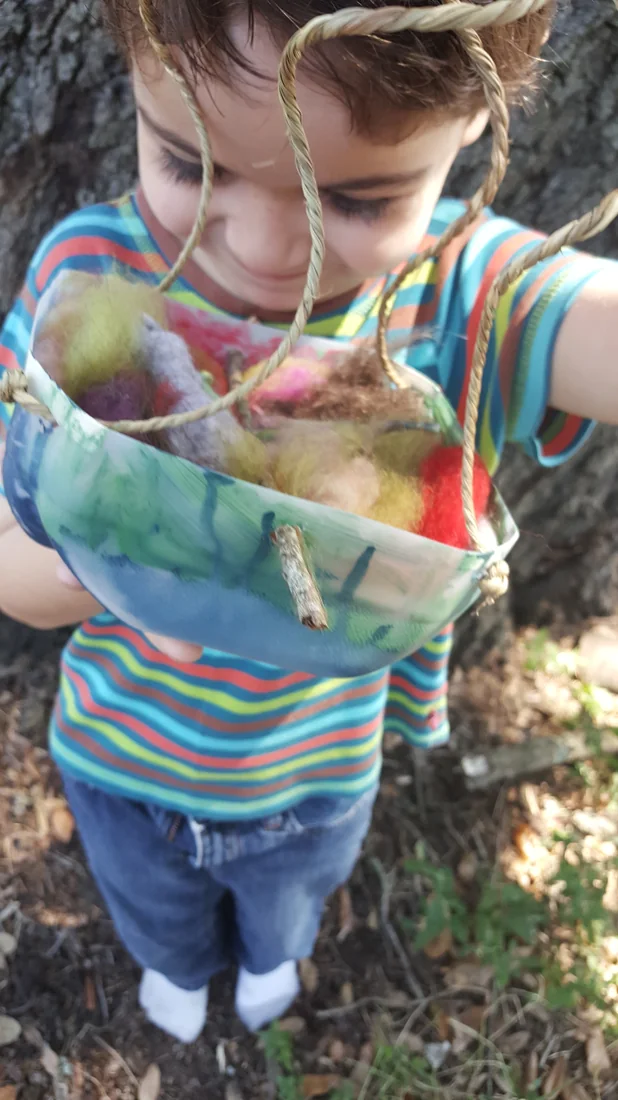 A basket of wool and windfalls
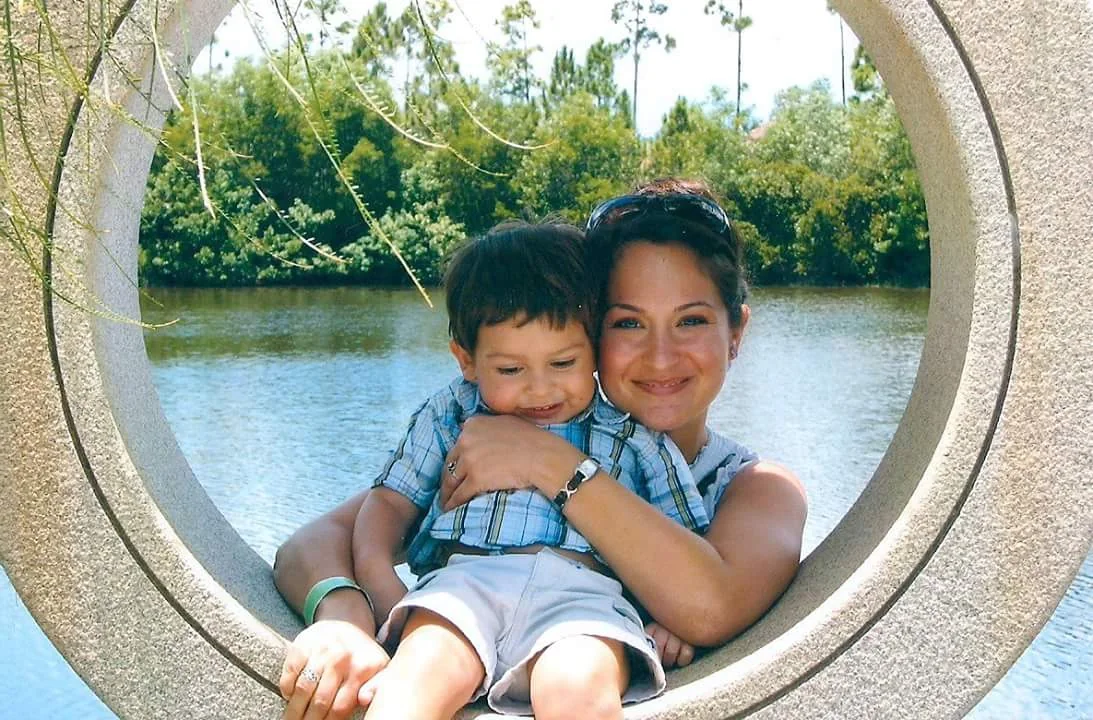 Where this all began
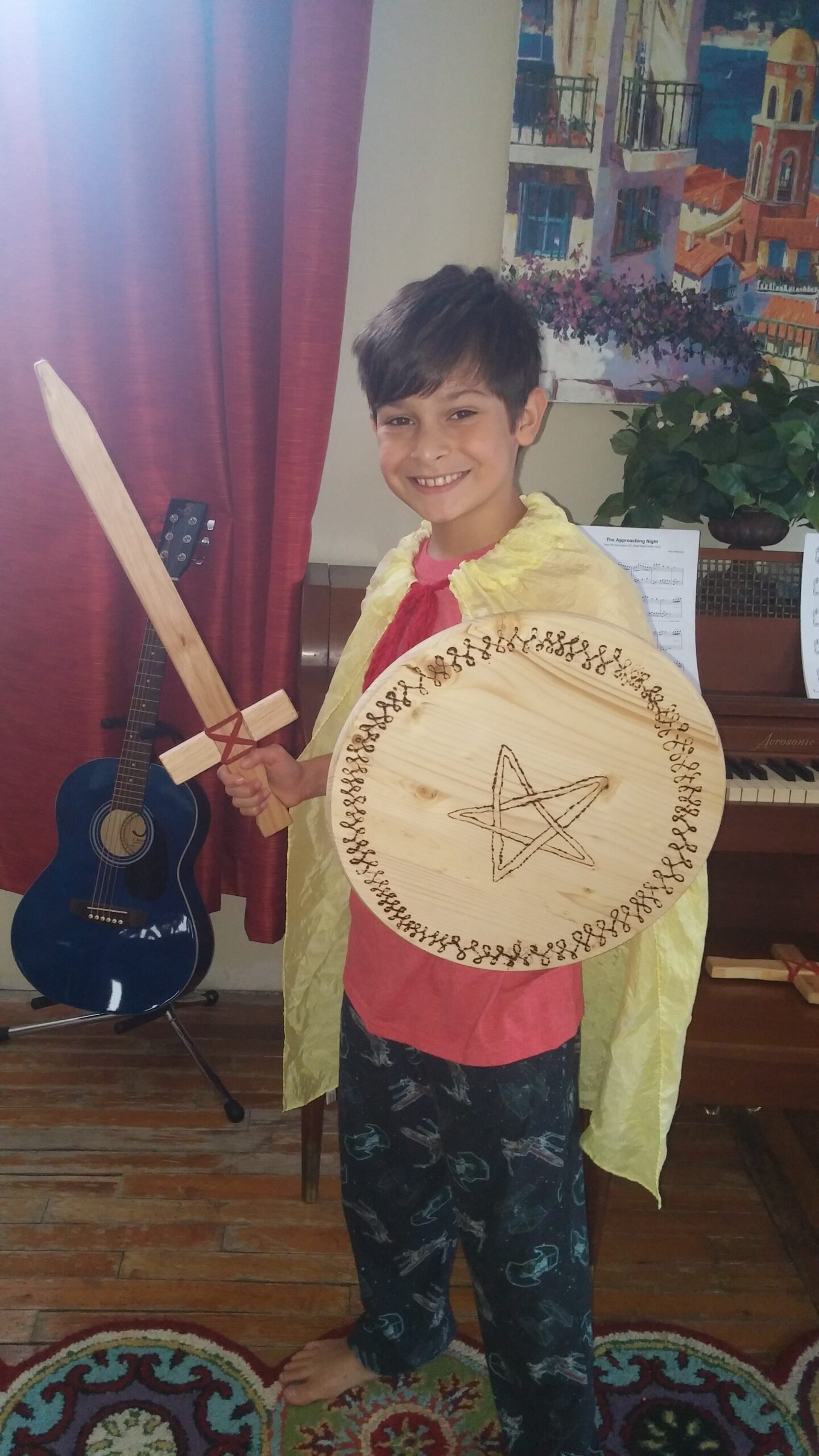 Sword, shield, and a golden cape
 Numbers in color
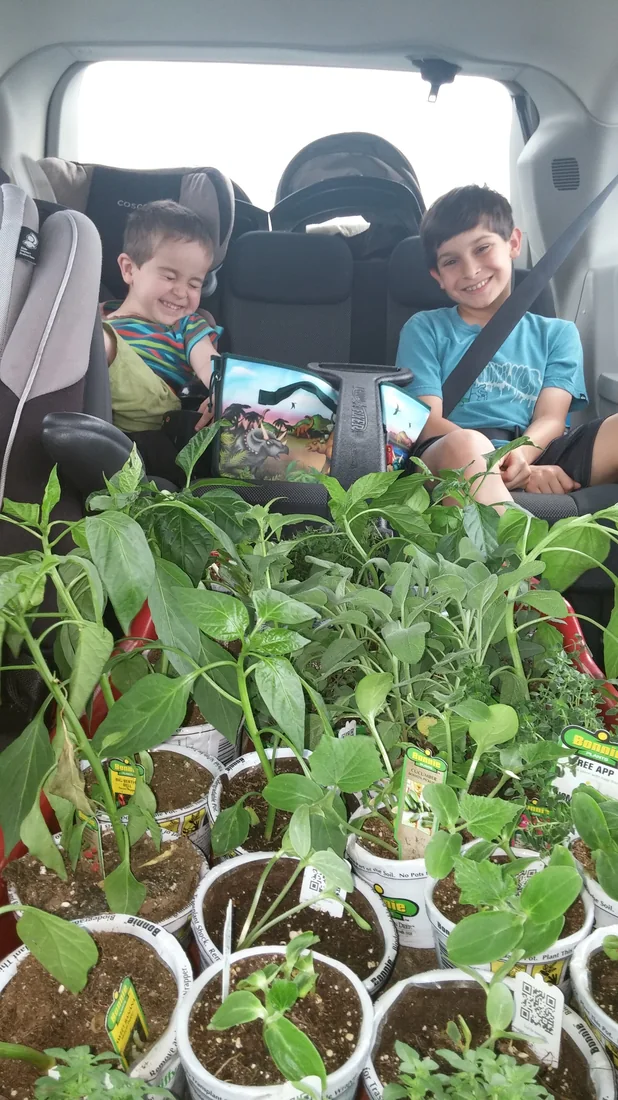 Bringing the garden home
Photographs from our days together will gather here as the seasons turn.
What parents ask first.
What ages do you welcome?
For now, children ages 3 to 8, gathered into two groups — Early Childhood (3–4) and Early Grades (5–8). An older group (9–14) will come along in a later season.Is this a drop-off program?
No — it’s a cooperative we build together. Every parent stays, keeps loving watch over their own children, and helps carry the teaching and the everyday care of the day.Is this a whole school or curriculum?
No. We’re a warm addition to your homeschool, not a private school or a full grade-level curriculum. Our days enrich the learning you’re already doing — you remain your child’s first and most important teacher.How often do you meet, and where?
One day a week for three to five hours, plus one festival each month — mostly at parks and welcoming community spaces around Mobile, Alabama. [Meeting day & times to be confirmed.]How much does it cost?
Membership is a year-long commitment, with gentle monthly dues that cover our materials and shared costs. [We’ll share the exact figure and talk it all through when we meet.]Our blog.
Seasonal notes, festival musings, and gentle thoughts from our days together — written with love for the families walking this path beside us.
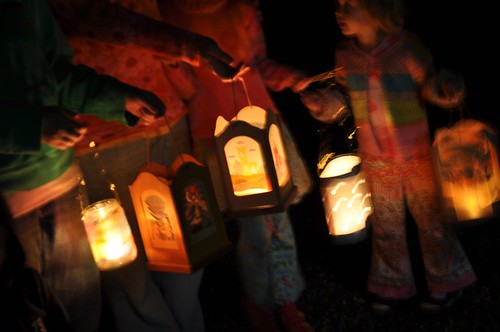
Why We Walk With Lanterns at Martinmas
On the darkest evenings, a small light carried carefully says something a child understands before words. Read more →
The Gift of One Slow Day Each Week
What happens in a child when the morning isn’t hurried — and why we protect that unhurried hour. Read more →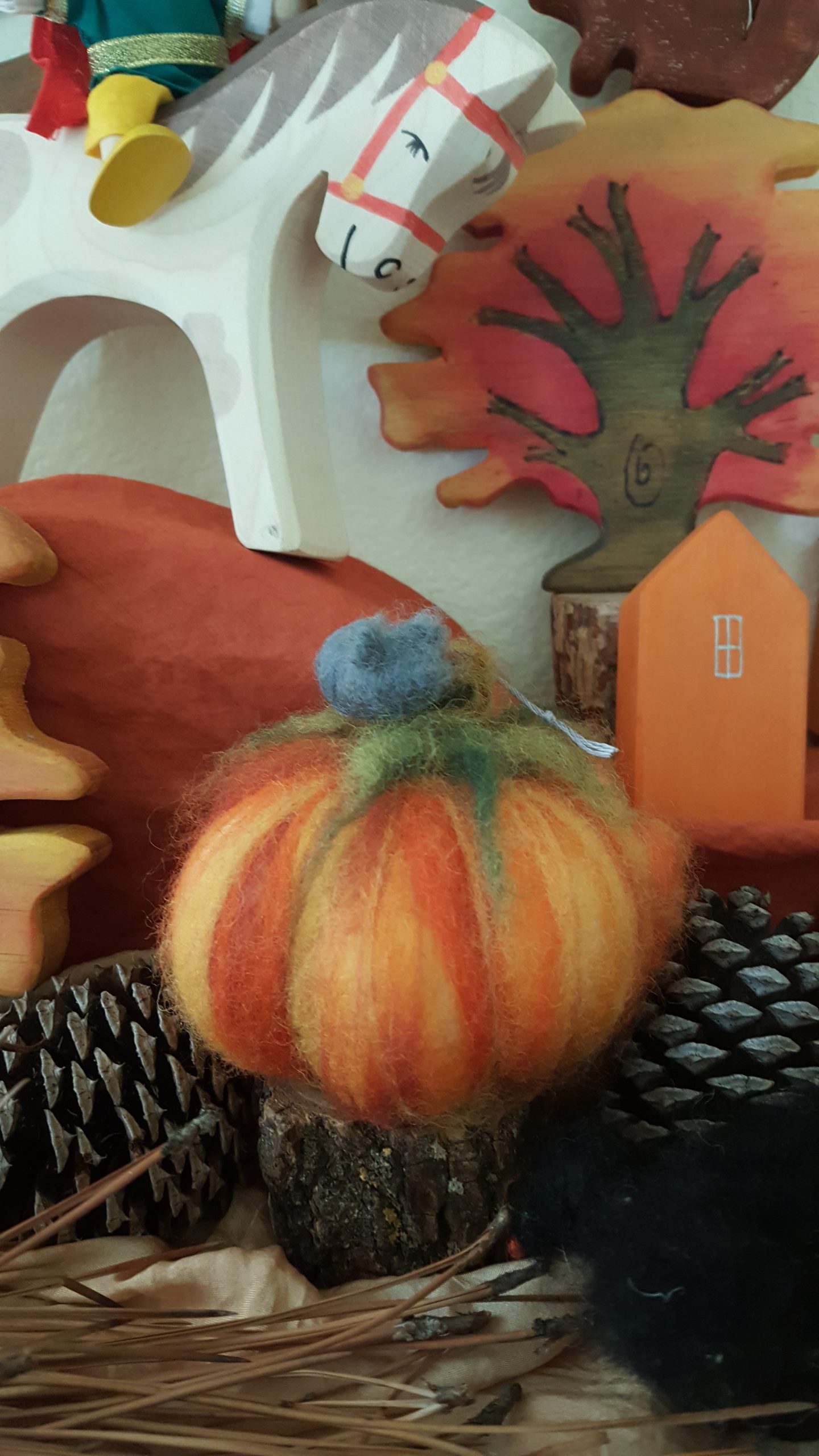
Making a Nature Table for the Season
A simple corner of the home that turns with the year — and invites the whole family to notice. Read more →